
Last updated: 13 November 2026 · Reviewed by Vd. Himanshu Jha, Ayurveda Siddhi · Source: official NCISM curriculum document
Download free Kayachikitsa notes PDF for BAMS final year: Paper 1 Part A and Part B, Paper 2 Part A and Part B, and two question banks. Under the current NCISM curriculum, Kayachikitsa including Manasa Roga, Rasayana and Vajikarana (subject code AyUG-KC) is a 3rd Professional (final year) BAMS subject with 3 theory papers and 500 total marks, taught in 450 hours. Below the downloads you will find the official topic-wise marks for all three papers, which topics can come as 10-mark long answers, the practical exam split and a study plan built on that weightage.

Jump to: Notes PDF download · Kayachikitsa at a glance · Marks & paper pattern · Paper 1 topics · Paper 2 topics · Paper 3 topics · Practical exam · Study plan · More notes & PYQs · FAQs
Kayachikitsa Notes PDF Download
Each link opens a notes page with the PDF to view or download. These notes were written for the earlier two-paper Kayachikitsa pattern; use them together with the NCISM topic tables below, which show where each disease now sits in the three-paper syllabus.
| Notes | Download |
|---|---|
| Kayachikitsa Paper 1 – Part A | Open notes |
| Kayachikitsa Paper 1 – Part B | Open notes |
| Kayachikitsa Paper 2 – Part A | Open notes |
| Kayachikitsa Paper 2 – Part B | Open notes |
| Kayachikitsa question bank – Paper 1 | Open question bank |
| Kayachikitsa question bank – Paper 2 | Open question bank |
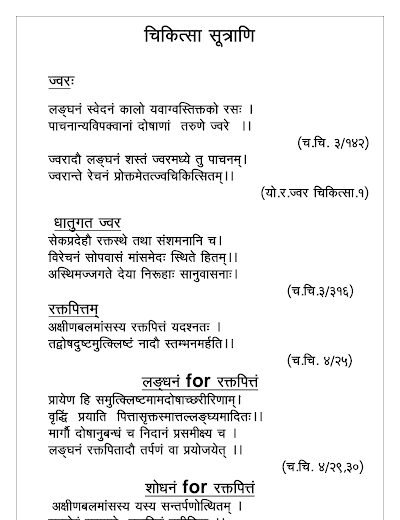
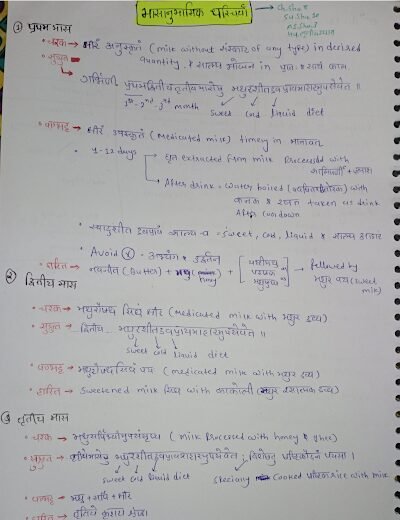
Topic notes: Clinical ethics in Kayachikitsa · Jvara chikitsa – single and compound formulations · Aamavata notes (Hindi) · 80 types of Vatavyadhi · All syndromes in Kayachikitsa · Kayachikitsa handwritten notes
Official syllabus: NCISM AyUG-KC curriculum PDF (ncismindia.org) · all final year subjects are on the NCISM III prof BAMS syllabus page.
Kayachikitsa Syllabus at a Glance (NCISM)
| Subject | Kayachikitsa including Manasa Roga, Rasayana and Vajikarana (Internal Medicine including Psychiatry, Rejuvenative Medicine, Reproductive Medicine and Epigenetics) |
|---|---|
| NCISM subject code | AyUG-KC |
| Professional year | III Professional BAMS (final year) |
| Applicable to | 2021-22 batch, from academic year 2024-25 (for 5 batches or until further NCISM notification) |
| Theory papers | 3 – Paper 1 Vyadhi Vishesha Chikitsa 1, Paper 2 Vyadhi Vishesha Chikitsa 2, Paper 3 Vyadhi Vishesha Chikitsa evam Rasayana, Vajikarana |
| Total marks | 500 (Theory 300 + Practical component 200) |
| Teaching hours | 450 (Lectures 150 + Non-lecture theory 90 + Non-lecture practical 210) |
| Disease coding | Diseases are listed with ICD-11 codes (including the Traditional Medicine chapter, TM2) |
Kayachikitsa Marks Distribution and Paper Pattern
| Component | Marks |
|---|---|
| Paper 1 – Vyadhi Vishesha Chikitsa 1 (theory) | 100 |
| Paper 2 – Vyadhi Vishesha Chikitsa 2 (theory) | 100 |
| Paper 3 – Vyadhi Vishesha Chikitsa evam Rasayana, Vajikarana (theory) | 100 |
| Practical | 100 |
| Viva | 70 |
| Internal assessment (IA) | 30 |
| Total | 500 |
Kayachikitsa has no elective attached. Each theory paper is 3 hours, 100 marks, with all questions compulsory: 20 MCQs (1 mark each), 8 short answer questions (5 marks each) and 4 long answer questions (10 marks each).
| Hours | Paper 1 | Paper 2 | Paper 3 | Total |
|---|---|---|---|---|
| Lecture hours (theory) | 61 | 43 | 46 | 150 |
| Non-lecture hours (theory) | 35 | 24 | 31 | 90 |
| Non-lecture hours (practical) | 64 | 85 | 61 | 210 |
| Total | 450 |
Kayachikitsa Paper 1 (Vyadhi Vishesha Chikitsa 1): Topics and Marks
The marks are the maximum a question paper can carry from each topic or group. “LAQ” shows whether a 10-mark long question may be asked from it.
| # | Topic (main diseases) | Marks | LAQ allowed |
|---|---|---|---|
| 1 | Kaya, Chikitsa and Kayachikitsa – Nirukti, Paribhasha, Paryaya, Bheda | 3 | No (MCQ only) |
| 2 | Clinical ethics in the practice of Kayachikitsa | 7 | No |
| 3 | Jvara – Samprapti vighatana, Chikitsa sutra, Aushadha yoga, Pathya-apathya (Nava, Jeerna, Sannipataja, Agantuja, Dhatugata, Vishama, Punaravartaka jvara) | 22 (topics 3–5) | Yes |
| 4 | Anukta roga – treatment principles by Dosha-dushyadi vivechana | No | |
| 5 | Sankramika jvara – Malaria, Typhoid, Dengue, Chikungunya, Meningitis, Encephalitis, Pneumonia | Yes | |
| 6 | Rasa pradoshaja vikara – Pandu, anaemias, Hridroga (hypertension, IHD, CCF), Aamavata, Madatyaya | 18 | Yes |
| 7 | Rakta pradoshaja vikara – Kamala and liver diseases, Raktapitta, coagulation disorders, Vatarakta, Mada-Murchha-Sanyasa, Visarpa, Kushtha, Shwitra, Sheetapitta | 24 | Yes |
| 8 | Kshudra roga | 5 | No |
| 9 | Mamsa and Meda pradoshaja vikara – Galaganda, Gandamala, Arbuda, Shosha, Karshya, Sthaulya, Prameha, Madhumeha, dyslipidaemia | 16 | Yes |
| 10 | Shuddha-Ashuddha chikitsa, Chikitsajanita (iatrogenic) vikara | 5 | No |
Kayachikitsa Paper 2 (Vyadhi Vishesha Chikitsa 2): Topics and Marks
| # | Topic (main diseases) | Marks | LAQ allowed |
|---|---|---|---|
| 11 | Vatavyadhi – Pakshaghata, Ardita, Kampavata, Gridhrasi, Avabahuka, Manyastambha, Urustambha, peripheral neuropathy, GBS, MND, myasthenia gravis | 24 | Yes |
| 12 | Asthi-Majja pradoshaja vikara – osteoporosis, Sandhigata vata, Vatakantaka, Katigraha, Greeva graha, AVN | 14 | Yes |
| 13 | Pranavaha srotodushti – Shwasa, Hikka, Kasa, Urahkshata, Rajayakshma, Tamaka shwasa, COPD, ILD, bronchiectasis, pleural effusion | 24 | Yes |
| 14 | Udakavaha srotodushti – Trishna, Shotha, Jalodara, fluid and electrolyte imbalance | 10 | Yes |
| 15 | Mootravaha srotodushti – Mootrakrichchha, Mootraghata, Ashmari, UTI, nephritis, renal failure, BPH, nephrotic syndrome | 12 | Yes |
| 16 | Purishavaha srotodushti – Atisara, Pravahika, Arsha, ulcerative colitis, Krimi, colorectal cancer | 16 | Yes |
Kayachikitsa Paper 3 (Vyadhi Vishesha Chikitsa evam Rasayana, Vajikarana): Topics and Marks
| # | Topic (main diseases) | Marks | LAQ allowed |
|---|---|---|---|
| 17 | Annavaha srotodushti – Agnimandya, Ajeerna, Amlapitta, Parinama shoola, Chhardi, Gulma, Grahani (IBS), GERD, acid peptic disease | 16 | Yes |
| 18 | Manovaha srotodushti – Unmada, Apasmara, Atattvabhinivesha (OCD), anxiety, depression, sleep disorders, Medhya rasayana | 10 | Yes |
| 19 | Antahsravi granthi vyadhi – thyroid, parathyroid, pituitary and adrenal disorders | 10 | Yes |
| 20 | Vyadhikshamatva vikara – immunodeficiency, autoimmune disorders (SLE, ankylosing spondylitis, MS, RA), hypersensitivity | 8 | No |
| 21 | Shukravaha srotodushti – Klaibya, Shukralpata, Dhwajabhanga, infertility | 8 | No |
| 22 | Guhya roga – Phiranga, Upadamsha, Puyameha | 8 | No |
| 23 | Vajikarana | 12 | Yes |
| 24 | Rasayana – Achara, Naimittika, Medhya and other Rasayana; evidence-based Rasayana | 20 | Yes |
| 25 | Jarajanya vikara (geriatrics) and Indriyapradoshaja vikara, Smritilopa (Alzheimer’s) | 8 | No |
Kayachikitsa Practical Exam: How the 200 Marks Are Split
| Head | Marks |
|---|---|
| Long case – case writing 15, presentation 15, bedside viva 15 | 45 |
| Short case – case writing 10, presentation 5, bedside viva 10 | 25 |
| Spotting – any 5 items (e.g. Ryle’s tube, Foley’s catheter, nebulizer, Ambu bag, defibrillator, IV cannula); identification 1 + clinical use 1 | 10 |
| Case records – 20 long cases (each srotas + Antahsravi granthi), 3 Rasayana, 2 Vajikarana, 20 short cases | 20 |
| Viva voce – Paper 1 (20), Paper 2 (20), Paper 3 (20), communication skills (10) | 70 |
| Internal assessment | 30 |
| Total | 200 |
How to Study Kayachikitsa: A Weightage-based Plan
- Start with the four biggest topics. Rakta pradoshaja vikara (24), Vatavyadhi (24), Pranavaha srotodushti (24) and the Jvara group (22). NCISM allows more than one long question from a topic only when it carries over 20 marks, so these four can each give two LAQs.
- Then Rasayana (20) in Paper 3. It is the largest Paper 3 topic, and with Vajikarana (12) it is a third of that paper.
- Prepare full long answers only for LAQ topics. Clinical ethics, Kshudra roga, iatrogenic disease, immunity disorders, Shukravaha vikara, Guhya roga and geriatrics come only as MCQs and 5-mark SAQs – keep short notes for them.
- Write every disease in one format. Nidana, Samprapti, Chikitsa sutra, Aushadha yoga, Pathya-apathya, and the modern correlation with investigations. NCISM writes each disease with its modern name and ICD code, and answers that cover both score better.
- Build your case record through the year. The record needs 20 long cases covering every srotas, 3 Rasayana and 2 Vajikarana cases and 20 short cases; long and short case together are 70 of the 100 practical marks.
- Solve previous papers. Practise with the Kayachikitsa Paper 1 question paper, Paper 2 question paper and the BAMS final year question bank.
More Kayachikitsa Notes, Question Banks and Papers
- BAMS 3rd year (final prof) syllabus – all 9 subjects
- BAMS final year notes – all subjects
- Kayachikitsa Paper 1 question bank (Hindi) · Paper 2 question bank
- BAMS final year previous year question papers
- BAMS 3rd year question paper 2023
- Kaumarabhritya (Pediatrics) notes PDF
- Prasuti Tantra evam Stree Roga notes PDF
- NCISM elective answer keys
Kayachikitsa Notes – FAQs
Is Kayachikitsa in BAMS 3rd year or 4th year?
Under the NCISM curriculum (2021-22 batch onwards), Kayachikitsa (AyUG-KC) is a 3rd Professional subject, which is the final year of BAMS. Older batches studied it in the 4th (final) professional year, so many notes still say “4th year”.
How many papers are there in Kayachikitsa?
Three theory papers of 100 marks each: Paper 1 Vyadhi Vishesha Chikitsa 1, Paper 2 Vyadhi Vishesha Chikitsa 2, and Paper 3 Vyadhi Vishesha Chikitsa evam Rasayana, Vajikarana.
What are the total marks of Kayachikitsa in BAMS?
500 marks: 300 theory, 100 practical, 70 viva and 30 internal assessment. There is no elective in Kayachikitsa.
What is the Kayachikitsa paper pattern?
Each paper is 3 hours and 100 marks: 20 MCQs of 1 mark, 8 short answer questions of 5 marks and 4 long answer questions of 10 marks. All questions are compulsory.
Which Kayachikitsa topics carry the most marks?
Rakta pradoshaja vikara (24) and the Jvara group (22) in Paper 1, Vatavyadhi (24) and Pranavaha srotodushti (24) in Paper 2, and Rasayana (20) in Paper 3.
Is Kayachikitsa general medicine?
Yes. Kayachikitsa is the Ayurveda branch of internal (general) medicine. The NCISM subject also includes Manasa Roga (psychiatry), Rasayana and Vajikarana.
| Social Media | Join your Community |
|---|---|
| Telegram | Click Here to join |
| Click Here to join | |
| Youtube | Click Here to join |
| Whatsapp groups | Click Here to join |



Discussion
0 comments · Ask a doubt, share a tip, help a classmate
No comments yet
Be the first to start the discussion.