About this document
Last updated: 12 November 2026 · Reviewed by Vd. Himanshu Jha, Ayurveda Siddhi · Source: official NCISM curriculum document
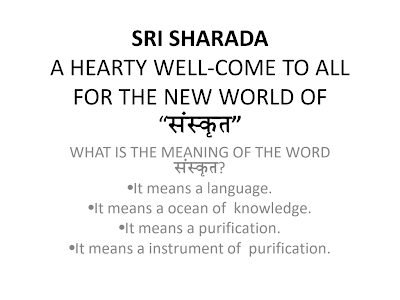
Download free Sanskrit notes for BAMS 1st year made for the NCISM syllabus. Sanskrit is taught in 1st Prof as Samskritam evam Ayurved Itihas (subject code AyUG-SN & AI): 2 theory papers, 300 total marks and 300 teaching hours. Paper I is pure Sanskrit grammar (100 marks); Paper II is applied Sanskrit (80 marks) plus Ayurved Itihas – history of Ayurveda (20 marks, MCQs only). Below the notes PDF you will find the topic-wise marks, which topics get long questions, a study plan and links to our samas, sandhi, anvaya, Panchatantra and question-paper notes.
Jump to: Sanskrit notes PDF · Syllabus at a glance · Marks & paper pattern · Paper I grammar topics · Paper II topics · Ayurved Itihas · Study plan · Topic-wise notes & PYQs · FAQs
Sanskrit Notes PDF – BAMS 1st Year (NCISM)
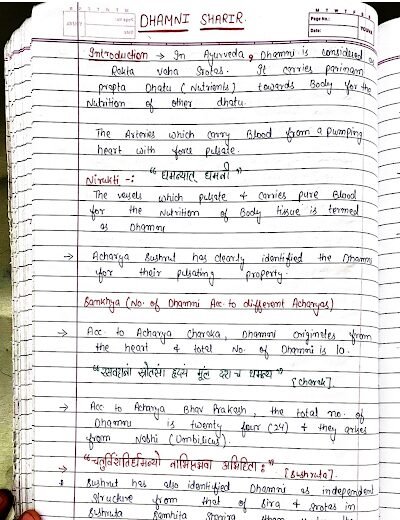
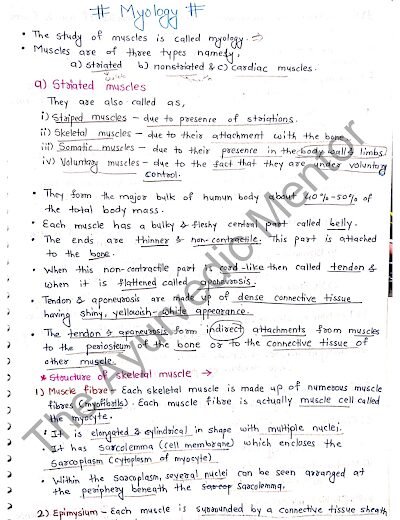
The notes open in the PDF viewer at the top of this page (tap Full screen after the countdown). Use them together with the topic-wise notes listed further down this page.
BAMS 1st Year Sanskrit Syllabus at a Glance
| Subject | Samskritam evam Ayurved Itihas (Sanskrit and History of Ayurveda) |
|---|---|
| NCISM subject code | AyUG-SN & AI |
| Professional year | I Professional BAMS (1st year) |
| Applicable to | 2021-22 batch onwards, for 5 years or until further NCISM notification |
| Paper I | Sanskrit grammar – 100 marks |
| Paper II | Part A Sanskrit 80 marks + Part B Ayurved Itihas 20 marks |
| Total marks | 300 (Theory 200 + Viva 75 + Elective Set-FA 10 + Internal assessment 15) |
| Practical exam | None – the 100 non-theory marks are viva, elective and IA |
| Teaching hours | 300 (Lectures 100 + Non-lecture theory 140 + Non-lecture practical 60) |
Official syllabus PDF: NCISM AyUG-SN & AI curriculum (ncismindia.org) · all 1st prof subjects: NCISM I prof BAMS syllabus page · our summary: BAMS 1st year syllabus.
Sanskrit Marks Distribution and Paper Pattern
| Component | Marks |
|---|---|
| Paper I – Sanskrit | 100 |
| Paper II – Sanskrit (80) + Ayurved Itihas (20) | 100 |
| Viva voce (Sanskrit only, not Itihas) | 75 |
| Elective (Set-FA) | 10 |
| Internal assessment (IA) | 15 |
| Total | 300 |
| Question type | Paper I | Paper II |
|---|---|---|
| MCQ (1 mark) | 20 – Sanskrit | 20 – all from Ayurved Itihas |
| Short answer (5 marks) | 8 – Sanskrit | 8 – Sanskrit |
| Long answer (10 marks) | 4 – Sanskrit | 4 – Sanskrit |
| Time / total | 3 hours / 100 | 3 hours / 100 |
| Teaching hours | Paper I | Paper II | Total |
|---|---|---|---|
| Lecture hours | 50 | 50 (Sanskrit 40 + Itihas 10) | 100 |
| Non-lecture hours (theory) | 74 | 66 (Sanskrit 46 + Itihas 20) | 140 |
| Non-lecture hours (practical) | 60 | ||
| Total | 300 |
Sanskrit Paper I Syllabus – Grammar Topics and Marks
Marks are the maximum each topic can carry in the university paper (NCISM Table 6F). Full 10-mark long questions in Paper I come from Sandhi and Samasa; Karaka, Shabdarupa, Dhaturupa and Pratyaya can come as 5-mark parts of long questions.
| # | Topic | Term | Marks |
|---|---|---|---|
| 1 | Varna parichaya – Maheshwara sutras, uchcharana sthana, bahya and abhyantara prayatna | I | 5 |
| 2 | Sanjna – samyoga, samhita, hrasva-dirgha-pluta, anunasika, pada, dhatu, upasarga, guna, vriddhi; it, lopa, pratyahara, udatta, anudatta, svarita, savarna, nipata, pragrhya | I–II | 5 |
| 3 | Upasarga – the 22 upasargas (pra, para, apa, sam, anu, ava, nis, nir, dus, dur, vi, a, ni, api, adhi, ati, su, ut, abhi, prati, pari, upa) | II | 5 |
| 4 | Avyaya – identify, explain in context and use in sentences | I–III | 5 |
| 5 | Karaka prakarana and vachya prayoga – vibhakti meanings, karakas in Ayurveda texts, sentence construction, English ↔ Sanskrit translation | I–III | 15 |
| 6 | Sandhi – ach (svara), hal (vyanjana), visarga and rutva sandhi | II | 15 |
| 7 | Samasa – Avyayibhava, Tatpurusha (incl. Karmadharaya, Dvigu, Upapada), Bahuvrihi, Dvandva | II | 15 |
| 8 | Shabdarupa – pullinga, strilinga and napumsakalinga nouns, sarvanama (asmad, yushmad, tad, etad, yad, kim, idam) | I | 10 |
| 9 | Dhaturupa – parasmaipada and atmanepada roots of all 10 ganas in lat, lrit, lang, vidhiling, lot | I | 10 |
| 10 | Pratyaya – kta-ktavatu, tavyat-aniyar, shatru-shanach, lyut-nvul, ktva-lyap, nini, ktin, tumun | I | 10 |
| 11 | Visheshana-visheshya | II | 5 |
| Total | 100 |
NCISM notes in the curriculum that sutras are taught with each rule but sutra-explanation questions are not asked in the university exam for Karaka, Sandhi and Samasa – questions test application.
Grammar notes: Samas notes · Samas trick · Sanskrit Samas · Sanskrit grammar cheat sheet · Sanskrit full handwritten notes
Sanskrit Paper II Syllabus – Part A (80 Marks)
| # | Topic | Term | Marks | Long question |
|---|---|---|---|---|
| 1 | Nirukti tatha paryaya padani – derivation and synonyms of Ayu, Sharira, Manas, Agni, Bala, Vata, Pitta, Kapha, the dhatus, indriyas, Dhi-Dhriti-Smriti, Roga, Nidana, Bheshaja, Chikitsa etc. | I–III | 15 | 5-mark part |
| 2 | Paribhasha padani – Ayurveda, Panchamahabhuta, Triguna, Dosha, Mala, Dushya, Dravya-Guna-Karma, Samanya-Vishesha, Srotas, Koshtha, Ama, Viruddhahara, Satmya, Anupana etc. | I–III | 20 | 1 × 10 marks |
| 3 | Anvaya lekhana – Ashtanga Hridaya Sutrasthana (Ayushkamiya, Dinacharya, Roganutpadaniya; Doshadivijnaniya, Doshabhediya, Doshopakramaniya, Dvividhopakramaniya) and selected shlokas of Vaidyakiya Subhashita Sahityam | I–III | 30 | 1 × 10 + 5-mark part |
| 4 | Panchatantra – Aparikshitakarakam (5th tantra) | III | 15 | – |
| Total | 80 |
Paper II notes: Paribhasha Padani notes · Anvaya and Padaccheda notes · Vaidyakiya Subhashita shlokas notes · Panchatantra Kahani 1–5 · Panchatantra summary with moral · Sanskrit–English dictionary for BAMS
Paper II Part B – Ayurved Itihas (20 Marks, MCQ Only)
All 20 MCQs of Paper II come from Ayurved Itihas, in four 5-mark groups:
| Group | Topics | Marks |
|---|---|---|
| 1 | Definition and need of Itihasa, time periods; Ayurvedavatarana; Ayurveda in Veda, Upanishad and Purana | 5 |
| 2 | Samhitas and commentaries (Charaka, Sushruta, Ashtanga Sangraha, Ashtanga Hridaya, Bhela, Harita, Kashyapa); Laghutrayi (Madhava Nidana, Sharngadhara, Bhavaprakasha) | 5 |
| 3 | Other systems of medicine in the world; Vrikshayurveda, Hastyayurveda, Ashwayurveda; Ayurveda under Ashoka, Mughal and British rule | 5 |
| 4 | Modern-era scholars; globalisation of Ayurveda; post-independence committees, AYUSH, NCISM, CCRAS and national institutes (AIIA, NIA, ITRA, BHU, RAV) | 5 |
Itihas notes and MCQs: Ayurveda ka Itihas notes (Hindi) · Ayurveda Itihas notes (English) · Ayurveda Itihas MCQ PDF
How to Study Sanskrit for BAMS 1st Year
- Start with the 15-mark grammar topics. Karaka, Sandhi and Samasa together are 45 of Paper I’s 100 marks, and Sandhi and Samasa are where the 10-mark questions come from.
- Make daily recitation charts for Shabdarupa and Dhaturupa (20 marks). NCISM uses them for recitation, crosswords and word-cloud activities in every term test and in the viva.
- In Paper II, Anvaya lekhana is the biggest block (30 marks). Read the seven Ashtanga Hridaya Sutrasthana chapters with padaccheda and anvaya – this also helps Samhita Adhyayan.
- Itihas is quick marks: 20 one-mark MCQs. Make a one-page table of Samhitas, authors, commentators and time periods, and revise it with MCQ practice.
- Prepare for the 75-mark viva – it is only on Sanskrit, so practise reading shlokas aloud and explaining Paribhasha and Nirukti words.
- Solve papers in the NCISM pattern: Sanskrit question papers 2024 & 2025 · Sanskrit model test papers · Sanskrit MCQ test.
More Sanskrit Notes, MCQs and Question Papers
- All Sanskrit notes (subject page)
- Question papers: RGUHS Sanskrit Paper 1 (2024) · RGUHS Sanskrit Paper 2 (2024) · Sanskrit papers 2021 · Solved Sanskrit paper · Model question paper
- MCQs: Sanskrit MCQ · Itihas MCQ
- BAMS 1st year syllabus – all 5 subjects, marks and exam pattern
- All BAMS 1st prof notes
Sanskrit for BAMS 1st Year – FAQs
Is Sanskrit a subject in BAMS 1st year?
Yes. Under NCISM, Sanskrit is taught in 1st Professional BAMS as Samskritam evam Ayurved Itihas (AyUG-SN & AI), together with the history of Ayurveda.
How many papers and marks does BAMS Sanskrit have?
Two theory papers of 100 marks each: Paper I Sanskrit (100) and Paper II Sanskrit (80) + Ayurved Itihas (20). With viva 75, elective 10 and internal assessment 15, the total is 300 marks.
Is there a practical exam in BAMS Sanskrit?
No practical exam. The non-theory 100 marks are viva voce (75, Sanskrit only), elective Set-FA (10) and internal assessment (15).
What is the paper pattern for BAMS Sanskrit?
Each paper is 3 hours: 20 MCQs (1 mark), 8 short answers (5 marks) and 4 long answers (10 marks). In Paper II the 20 MCQs are all from Ayurved Itihas and the written answers are all Sanskrit.
Which Sanskrit topics are most important for the exam?
Karaka, Sandhi and Samasa (15 marks each) in Paper I, and Anvaya lekhana (30 marks) and Paribhasha padani (20 marks) in Paper II.
Which Ashtanga Hridaya chapters are in the BAMS Sanskrit syllabus?
For Anvaya lekhana: Ashtanga Hridaya Sutrasthana Ayushkamiya, Dinacharya, Roganutpadaniya, Doshadivijnaniya, Doshabhediya, Doshopakramaniya and Dvividhopakramaniya, plus selected shlokas of Vaidyakiya Subhashita Sahityam.
Which Panchatantra part is in the syllabus?
Aparikshitakarakam, the 5th tantra of the Panchatantra (15 marks in Paper II).
| Social Media | Join your Community |
|---|---|
| Telegram | Click Here to join |
| Click Here to join | |
| Youtube | Click Here to join |
| Whatsapp groups | Click Here to join |



Discussion
0 comments · Ask a doubt, share a tip, help a classmate
No comments yet
Be the first to start the discussion.